
Date window
Dates to be announced
Not Announced
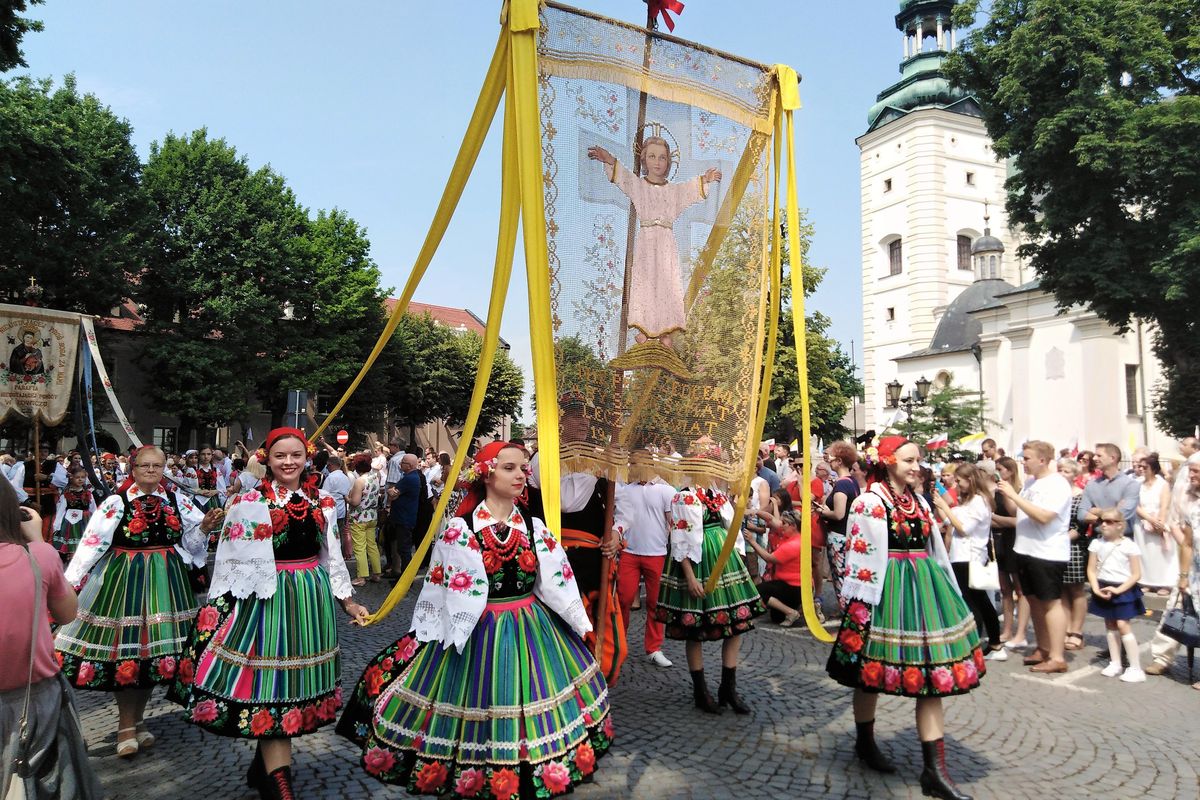
Krakowski Babski Comber
Dates to be announcedDates pending
A revived Kraków Carnival tradition rooted in a centuries-old custom of market women (przekupki) and the 'world upside down' spirit of Zapusty, where women symbolically took over the city during the Carnival period before Lent. The oldest mention dates to the end of the 16th century (the lost print 'Gregoryanki', published in 1600). Historically, women would seize men and force them to dance or pay ransom, led by a 'Marszałkini' (female marshal). Banned by Austrian authorities after 1846, the tradition was revived in 2022 by Katarzyna Chodoń and Joanna Łucja Cichoń in cooperation with Muzeum Krakowa. The modern edition features a Pochód Combrowy procession from Stary Kleparz through Planty and Plac Szczepański to the Rynek Główny, with live traditional music (heligonka, baraban), singing, dancing, and a public outdoor dance (potańcówka plenerowa).
FestivalAtlas keeps this celebration available for timing and respectful planning without inviting public footage.
How we decideKraków, Poland
Open in MapsFestivalAtlas keeps Kraków Women's Comber available for timing, cultural context, and respectful planning, without inviting public footage or contributor coverage for this event.
LOCAL SEASONAL CALENDAR
Krakowski Babski Comber
Kraków, Poland
A revived Kraków Carnival tradition rooted in a centuries-old custom of market women (przekupki) and the 'world upside down' spirit of Zapusty, where women symbolically took over the city during the Carnival period before Lent. The oldest mention dates to the end of the 16th century (the lost print 'Gregoryanki', published in 1600). Historically, women woul...
A revived Kraków Carnival tradition rooted in a centuries-old custom of market women (przekupki) and the 'world upside down' spirit of Zapusty, where women symbolically took over the city during the Carnival period before Lent. The oldest mention dates to the end of the 16th century (the lost print 'Gregoryanki', published in 1600). Historically, women would seize men and force them to dance or pay ransom, led by a 'Marszałkini' (female marshal). Banned b...
This celebration benefits from careful observation, local guidance, and respect for community boundaries.
Attendance can be appropriate while active documentation is not. Let local boundaries define your role.
Avoid filming or photographing moments that feel private, sacred, or restricted.
Some celebrations are best approached quietly: arrive prepared, follow posted rules, and leave without turning the moment into content.
A revived Kraków Carnival tradition rooted in a centuries-old custom of market women (przekupki) and the 'world upside down' spirit of Zapusty, where women symbolically took over the city during the Carnival period before Lent. The oldest mention dates to the end of the 16th century (the lost print 'Gregoryanki', published in 1600). Historically, women would seize men and force them to dance or pay ransom, led by a 'Marszałki...
respectful presence
Arrival, etiquette, and participation notes will appear once they are verified.
Dates to be announced
Not Announced
Kraków
Southern Poland (Lesser Poland/Galicia)
Families welcome

Save this celebration to keep the date correct, get planning guidance, follow key moment updates, and build your trip around what matters.
Plan with confidence
Get your Attendance Blueprint
Travel solo with ease
Find tips and support that make it simple
Stay date-correct
We'll watch the date so you don't have to